Media Law Blog
Hello and welcome! This blog is a space for me to share my thoughts, questions, and reflections on issues at the intersection of media, entertainment, intellectual property, and culture. I hope to use cases and current events to explore how the law shapes creative expression.
The views expressed here are my own and are shared for informational and educational purposes only. Nothing on this blog constitutes legal advice.

The Distance Between a Publisher and Its Reader
After encountering Rice v. Paladin Enterprises in my 1L Torts class, I became interested in the line between publishing information and participating in how a reader ultimately uses it. This post considers why Rice turned on the publisher’s alleged intent, and how technologies like ChatGPT complicate that distinction by narrowing the distance between an information provider and its user.
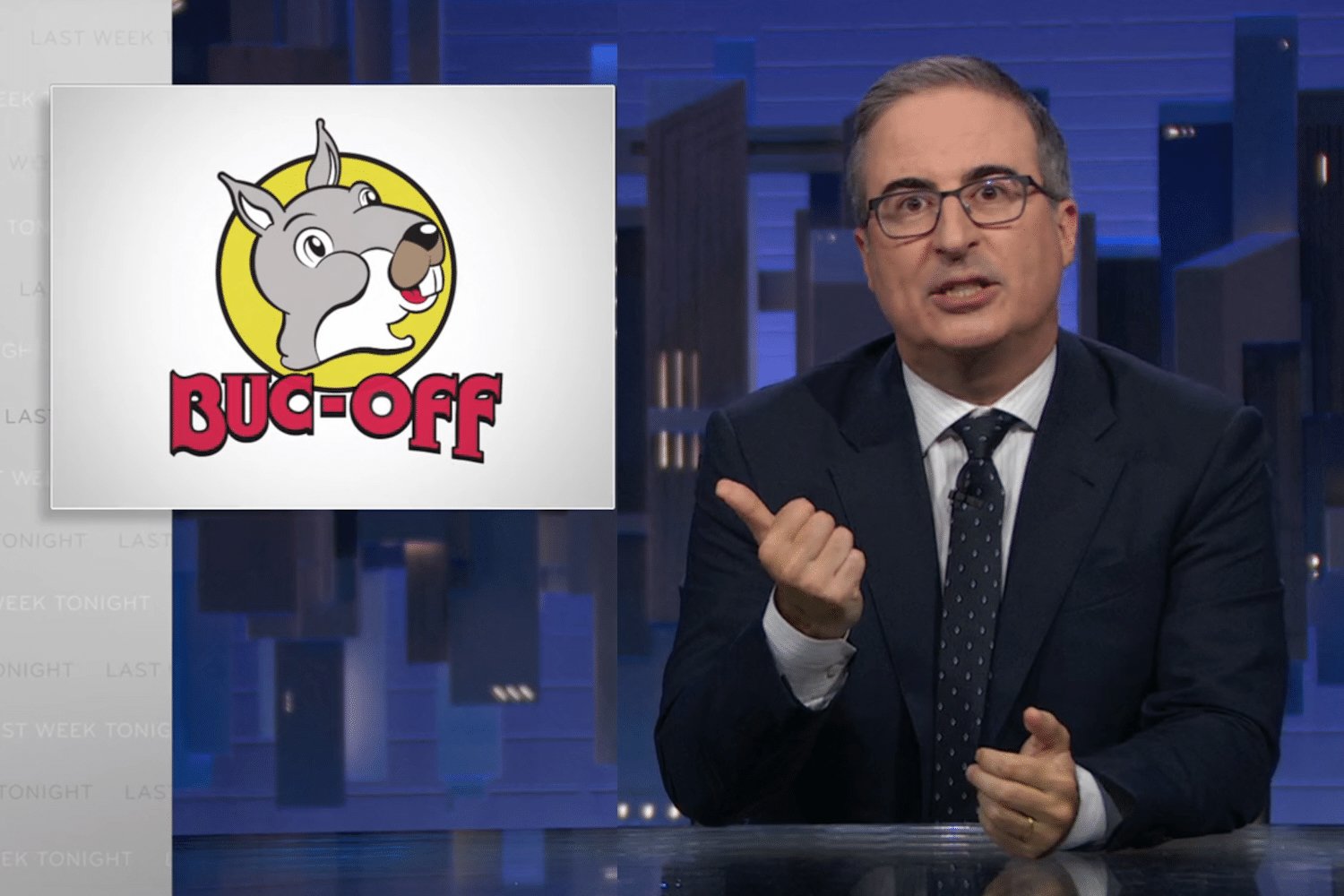
John Oliver, Buc-ee’s, and Who Gets to Call the Bluff?
John Oliver’s deliberately Buc-ee’s-inspired “Buc-Off” campaign flips the usual trademark-enforcement dynamic by inviting the very lawsuit most defendants hope to avoid. This post explores how parody, litigation costs, and media power can shape what happens when a potential defendant has both the resources and the platform to fight back.

The Reasonable Viewer Is Scrolling
Satire can look remarkably like news—and online, the context that tells us which is which can disappear in a repost. Beginning with an unattributed clip from The Onion and examining cases involving Hustler, a parody police Facebook page, and Tucker Carlson, this post examines how courts decide what a reasonable viewer would understand as fact, opinion, or satire, and what happens when the internet strips away the context those distinctions depend on.
Sound Evidence?
Lyrics can feel deeply personal and factually precise, but that does not necessarily make them reliable evidence. Examining defamation claims and criminal cases involving artists including Bob Dylan, Drake, and rap defendants, this post explores how courts use context and outside evidence to determine what lyrics actually communicate and prove.